How to Interview a Roofing Contractor in New Braunfels: Ask for Evidence, Not Just a Price
Most roofing quotes in the Hill Country show up with a confident handshake and a firm number. What they don't always come with is proof: a clear account of what the contractor actually looked at on your roof, what they couldn't see, and what happens if the job turns up something nobody expected. If you're comparing bids in New Braunfels, San Marcos, or anywhere else around the Hill Country, the interview matters more than the sales pitch. Here's how to run it.
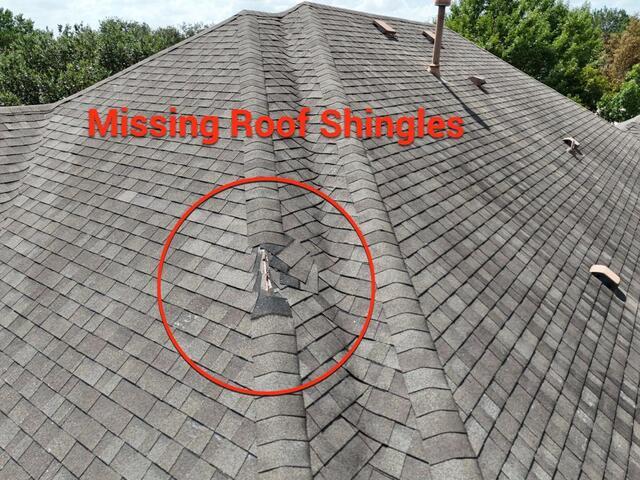
What did they actually look at?
Ask the contractor to walk you through the inspection itself. Which roof planes did they put the ladder on? How did they decide what to photograph? What parts of the roof, attic, or flashing could they not reach?
A good answer separates what was seen from what's being assumed. Photos help, but only if you can tell exactly where each one was taken. A picture of a soft spot doesn't mean much if nobody can point to that same spot on the roof later.
The real test is whether the explanation holds up on a second visit. If another contractor, or you with a flashlight, could find the same trouble spot from the description alone, the inspection was thorough. If the language stays vague, something like "some areas showed wear," that's worth pressing on.
Line up the proposals before you compare the price
Two bids for the same roof can read like two different jobs. Before you look at the bottom line, match up the line items: what's included, what's assumed, which quantities were measured versus estimated, what's excluded, and what happens if something changes once the crew is up there.
Once those are lined up, the price differences start to make sense. A lower bid might mean less material, a different underlayment, or an assumption that the decking won't need replacing. A higher one might mean the opposite. Ask each contractor to connect what they found to what they're proposing, not so every scope matches, but so you understand why they differ.
Ask every contractor the same "what if"
One of the more useful things you can do in a contractor interview is give everyone the exact same hypothetical: "If you open this area up and the decking is worse than expected, what happens next?"
The part worth paying attention to isn't confidence. It's process. Does the contractor know how they'll document it, who makes the call, and how the added work gets priced and approved before anyone keeps going? A contractor who can walk through that calmly, without pretending to already know what's under your shingles, is usually one who's done this enough times to have a real system for it.
Ask the same style of question about quantities and exclusions. How was this number arrived at, and what would change it? What isn't covered in this bid? Asking everyone the identical question is what makes the answers comparable, because now each proposal is being tested against the same unknown instead of a different sales conversation.
An allowance is a planning number, not a guarantee
A quantity on a proposal can look precise even when the contractor couldn't fully verify it before starting. Ask which figures came from an actual measurement and which are estimates based on what's typically found on a roof like yours.
Allowances work the same way. They're useful for budgeting, but they're not proof of what's under your roof. A contractor should be able to tell you what the allowance covers, what would trigger a change to it, and how that change gets documented, so a planning number doesn't get mistaken for a confirmed finding.
Settle the "what if we find something" conversation before tear-off
The best time to talk about hidden damage is before anyone's on the roof. Ask what happens if the crew opens things up and finds rot, water damage, or bad decking that wasn't visible during the inspection.
A contractor with a real process can describe how it gets documented, who gets called, whether work pauses for your decision, and how the added work gets approved, without promising a warranty outcome or assuming ahead of time that they'll find something. You're not trying to predict every surprise. You're finding out whether the contractor has a system for handling one, or whether it turns into a phone call and a verbal change order.
When two contractors disagree, find out why
If two proposals for the same roof come back with different conclusions, resist the urge to trust whoever sounds more sure of themselves. Pin down exactly where they disagree. Did one contractor get onto a section of the roof the other didn't? Are they working from different assumptions about a component? Is one bid silent on something the other flagged as a problem?
Sometimes the disagreement gets settled just by comparing the paperwork side by side. Other times it's worth bringing both contractors back, or getting a third opinion, for a focused look at the specific area in question. Either way, turn it into a question you can actually answer rather than a contest of who sounded more convincing.
How they handle your follow-up questions tells you a lot
Pay attention to what happens after the initial pitch. When you ask a direct question, do you get a direct answer? If something in the proposal needs correcting, does the revision actually show up in writing? Do open items get addressed, or do they quietly disappear into vague language?
A proposal that gets clearer every time you ask about it is a good sign. Nobody needs to claim certainty about a part of the roof they couldn't see. A contractor who's upfront about the limits of what they know is usually easier to trust than one who isn't.
Before you sign
By the time you're ready to pick a contractor, you should be able to explain the job back in your own words: what was actually inspected, what's still unknown, what's included and excluded, how the quantities were set, and what happens if the crew finds something once they're up there. That's a far better way to choose a roofer in New Braunfels or anywhere else in the Hill Country than going with whoever sounded the most confident or came in with the lowest number.
If you'd rather skip straight to the evidence, Klaus Roofing Systems of Texas Hill Country can walk you through exactly what we find on your roof, with photos, measurements, and a written scope you can hold us to. Call 1-830-214-0441 to set up an inspection.
Frequently asked questions
What should I ask about the roof inspection itself?
Ask which parts of the roof were actually inspected, how the contractor decided what to photograph, and what they couldn't get to. The answer should draw a clear line between what they saw and what they're assuming.
How do I compare two roofing proposals that are worded completely differently?
Line up the same categories on each one, materials, quantities, assumptions, exclusions, and what happens if something changes, before you compare prices. Then ask each contractor to explain why their numbers differ from the other bid.
Is an allowance the same as the actual cost?
No. Treat it as a planning figure unless the contractor can show it's based on a direct measurement. Ask what would cause it to change and how that change would be handled.
What needs to be settled before tear-off starts?
How hidden damage gets documented, whether work pauses for your approval, how the price changes, and any manufacturer or warranty questions tied to what might be found.
Two contractors gave me completely different answers. Now what?
Figure out the actual source of the disagreement before deciding. It's usually a difference in what was inspected, what was assumed, or what was included, not a matter of who sounded more confident.