Insurance Roof Replacement After a Storm: What New Braunfels & Texas Hill Country Homeowners Need to Know in 2026
If a hail or wind storm just rolled through the Hill Country and left your roof looking beat up, you're probably wondering whether insurance will actually help replace it — and how much you're going to have to come out of pocket. You're not the only one asking. We get these calls all the time from folks in New Braunfels, Canyon Lake, Boerne, Gruene, and the surrounding areas.
Here's the practical rundown on how insurance roof claims usually work around here right now. This is general information based on what we see every week on local jobs. Every policy is different, so the only way to know for sure is to pull out your declarations page or call your agent. We're a local, family-owned roofing company right here in New Braunfels — we live and work in the same storms you do — and we help neighbors cut through the confusion without the runaround.
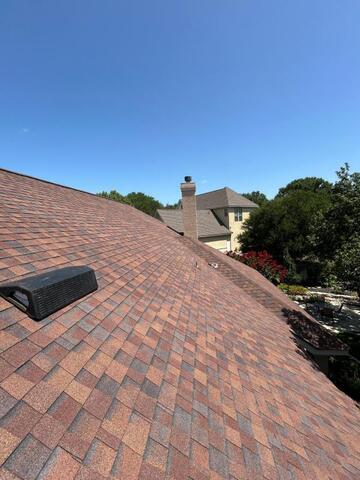
What Homeowners Insurance Typically Covers on a Roof Here
Most standard Texas homeowners policies cover sudden, accidental damage from named perils like:
- Hail that causes functional damage (not just surface marks)
- High winds that tear shingles, lift flashing, or damage decking
- Falling tree limbs or other storm debris
- Fire or lightning strikes
The damage has to be tied to a specific event, not just normal aging or stuff that was already wearing out. An adjuster from your insurance company will come out, look at it, and decide if it exceeds your deductible and qualifies for coverage.
Hail is the big one in our part of Texas. Those spring and summer storms can drop ice big enough to do real damage fast, especially on asphalt shingles that have been up for a while.
What Insurance Usually Won't Pay For
This is where a lot of claims get sideways:
- Normal wear and tear or old age
- Damage from lack of maintenance or previous poor repairs
- Manufacturing defects or installation problems from years ago (unless clearly tied to the storm)
- Cosmetic-only damage that doesn't affect how the roof actually works (some carriers are strict about this)
- Flooding or ground movement (separate policy usually)
If the adjuster decides the roof was already on its last legs and the storm just finished the job, you can end up with a denial or a much smaller payout. That's why solid documentation from the beginning makes such a difference.
RCV vs ACV — The Difference That Actually Matters
This is the part that decides how much money you actually get.
Replacement Cost Value (RCV) pays to put a new roof on with similar materials, minus your deductible. This is the coverage most homeowners want.
Actual Cash Value (ACV) pays what your old roof was worth right before the storm — replacement cost minus depreciation for age and condition. On a 12- or 15-year-old roof, that depreciation can knock thousands off what insurance sends.
We've seen $22,000–$28,000 roof jobs where the homeowner with good RCV coverage only pays the deductible. Same job under ACV on an older roof? They might only get half or less from insurance and have to make up the rest themselves.
A lot of Texas policies are shifting toward ACV or reduced payouts once a roof hits certain ages. Check what you actually have before you need it.
Does Roof Age Affect Your Claim in Texas?
Yes — sometimes a lot.
- Roofs under 10 years old: Usually the cleanest path to full replacement approval under RCV.
- 10–15 years old: Still often workable, but adjusters look harder.
- Over 15–20 years: Many carriers move you to ACV, pay less, or have limits/exclusions on wind and hail coverage for older roofs.
The overall condition before the storm matters too. Curling shingles, missing granules, or other wear can work against you. Adjusters separate "storm damage" from "it was already time."
6 Factors That Make the Biggest Difference on Local Claims
From what we see helping homeowners around here, these six things usually decide how smooth (or painful) the process goes:
1. Your actual coverage type (RCV or ACV) and the fine print RCV is best. ACV hurts on anything but brand-new roofs. Some policies have "roof schedules" or automatic conversions at certain ages. Review it every renewal.
2. Your deductible — especially wind and hail percentages Texas policies commonly carry a separate wind/hail deductible that's a percentage of your home's insured value (1%, 2%, or higher). On a $400,000–$450,000 home, 1% is already $4,000–$4,500 out of pocket before insurance pays anything. Flat deductibles ($1,000–$2,500) are simpler. Know which one you have — it's on your declarations page.
3. Age and condition of the roof before the storm Newer and well-maintained roofs have a much better shot. Older roofs with existing wear get more pushback.
4. How well the damage is documented Adjusters often use test squares (counting hits in a 10x10 area on each slope). They usually want a certain number of functional hits plus other damage for full replacement instead of just repairs. Good photos from every angle, measurements, and notes on what's actually damaged help a lot. We do detailed inspections and use thermal imaging tools when it makes sense to catch things that aren't obvious on the surface. Being there when the adjuster shows up can help make sure the scope is accurate the first time.
5. Tying it to a specific storm event Insurance wants proof the damage came from a covered storm on a certain date, not gradual wear. Filing reasonably soon (within 30–60 days is smart, even if your policy gives you longer) and having local weather records helps. We can pull storm data for the date in question if needed.
6. Exclusions and any endorsements on your policy Some policies exclude purely cosmetic damage. Others have add-ons for matching (so undamaged sections get replaced too), code upgrades, or other extras. Read the declarations page and endorsements. We go over this with homeowners during inspections so there are no big surprises later.
What You'll Probably Pay Out of Pocket
On an approved claim, it's usually just your deductible. Insurance pays the contractor the rest (or reimburses you, depending on how your carrier handles payment).
But that percentage deductible can sting. Example: A $25,000 approved replacement with a 2% wind/hail deductible on a $450k home means you're looking at $9,000 out of pocket. We always walk through the numbers with you upfront so you know what to expect.
How a Local Roofing Company Actually Helps
We're not storm chasers who blow in after every hail event and vanish when things get complicated. We're your neighbors — family-owned, based right in New Braunfels, serving the Hill Country.
What we do on these claims is pretty straightforward: free detailed inspections when you think there might be storm damage, clear explanations of what we find in plain English, and thorough documentation (photos, measurements, thermal where it helps). If you want us there when the adjuster comes out, we can do that too — helps make sure nothing important gets missed. If the initial scope comes back light, we can put together supplements with more evidence.
When it's time to do the work, we install quality systems — including premium hail-resistant metal options that hold up better to what we get around here — and stand behind them with strong warranties. We stick around after the job's done.
The goal is simple: get your home protected again without turning the whole thing into a months-long headache.
Quick Practical Advice If You're Dealing With This Now
- Take your own photos and videos right away — before anyone walks the roof or does temporary fixes.
- Don't feel pressured to sign with the first person who knocks on the door or leaves a flyer. Get a couple solid local opinions.
- Pull your policy or call your agent to understand your deductible and coverage before you file.
- If the damage looks significant, get a professional inspection from a reputable local roofer sooner rather than later.
Let's Take a Look at Your Roof
If a recent storm has you concerned about your roof in New Braunfels, Canyon Lake, Boerne, Gruene, or anywhere else in the Texas Hill Country, reach out. We'll come out, do a thorough inspection, explain what we see in normal language, and help you understand your real options — whether that's filing a claim, targeted repairs, or planning a full replacement with something that holds up better long-term.
No pressure. No runaround. Just straight answers from local folks who take pride in doing the job right for our neighbors.
That's how we do things at Klaus Roofing Systems of Texas Hill Country.