Drip Edge Explained: Why It Matters on Every Roof in Texas Hill Country
A thin strip of metal at the edge of your roof may not grab attention. But in Texas Hill Country, it can prevent thousands of dollars in hidden damage from rain, hail, and wind.
Proper drip edge directs water away from your roof, fascia boards, and structure. In areas like New Braunfels, Canyon Lake, Boerne, and beyond, skipping or installing it poorly often leads to rot, mold, and costly repairs.
Here’s a straightforward guide from real local roofing experience.
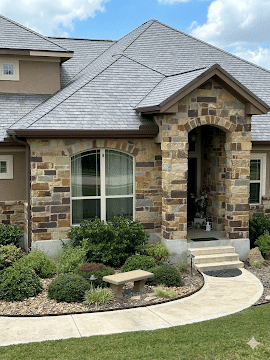
What Goes Wrong Without Good Drip Edge
Rain should flow straight into your gutters. Without drip edge (or with it installed wrong), water sneaks back under shingles and soaks into the roof deck or walls.
This causes:
- Rotting fascia and soffit boards
- Weakened roof decking
- Mold in attics or walls
- Shorter roof life
- Bigger problems during our frequent wind-driven storms
In our hot, humid climate, small leaks quickly turn into expensive fixes.
What Drip Edge Is and Why It Works
Drip edge is L-shaped (or similar) metal flashing, usually aluminum or galvanized steel. Roofers install it along the eaves (bottom edges) and rakes (sloped sides). It creates a clean lip that pushes water off the roof and into the gutters.
Main benefits:
- Blocks water from creeping under shingles
- Reduces wind-driven rain damage
- Gives a clean, professional finish
- Helps shingles and underlayment perform better
- Adds protection in storm-heavy regions
Common Types of Drip Edge
- Type C (L-shaped): Basic option for simpler roofs.
- Type D (extended flange): Better at handling wind-driven rain.
- Type F (gutter apron): Works well with gutters by extending into the channel.
For most Hill Country roofs, Type D or F offers the best long-term protection. The small extra cost pays off during heavy rains and hail seasons.
How to Install It Correctly
Installation order matters:
- At eaves: Place drip edge under the underlayment.
- At rakes: Place it over the underlayment.
- Overlap corners properly to seal out water.
Many crews rush this step. Quality local roofers follow best practices and building codes for lasting results.
Why It Matters More Here in Texas Hill Country
Our weather tests roof edges hard:
- Frequent thunderstorms push water sideways.
- Hail and strong winds stress every flashing detail.
- Heat and humidity speed up damage when moisture gets trapped.
- Premium materials (hail-resistant shingles, metal roofs) last longer with strong edge protection.
A roof without solid drip edge may survive in milder climates. Here, it’s at higher risk.
Action Steps You Can Take Today
Quick visual check (from the ground or with binoculars):
- Look for continuous metal along the edges.
- Confirm it extends slightly past the fascia into the gutter.
- Watch for gaps, rust, or loose sections.
Call a pro if something looks off. A full inspection catches issues early.
Planning a new roof? Ask these questions:
- Which drip edge type do you recommend for my property and why?
- How will you handle eaves, rakes, and corners?
- Does this support the full manufacturer warranty?
Good contractors explain options clearly and focus on doing the job right.
Built for Real Hill Country Properties
At Klaus Roofing Systems of Texas Hill Country, our locally owned team delivers honest assessments and durable roofs designed for local storms and heat. We pay attention to details like drip edge because they determine long-term protection for homes, investment properties, and community buildings.
Serving New Braunfels, Canyon Lake, Boerne, Garden Ridge, Vintage Oaks, River Chase, and the wider Hill Country. Reach out for a no-pressure inspection and clear recommendations.
Your roof faces tough conditions daily. Strong details like proper drip edge help it perform for decades.
This article shares practical industry insights. Every roof is different — consult a licensed local roofer for advice specific to your property.