How a Roof Works: Step-by-Step Guide for New Braunfels & Texas Hill Country Homeowners
Your roof is your home’s first and most important line of defense against Texas Hill Country weather—scorching summer heat, sudden hailstorms, high winds, heavy rains, and occasional winter freezes. Understanding how it actually works helps you spot problems early, make smarter repair or replacement decisions, and avoid costly surprises.
At Klaus Roofing Systems of Texas Hill Country, we believe informed homeowners make the best decisions. This straightforward guide breaks down the roof system layer by layer, how everything works together in our local climate, and what it means for your New Braunfels, Canyon Lake, Boerne, or Gruene home.
Why Understanding Your Roof Matters in Texas
A well-functioning roof does far more than keep rain out. It protects your family, maintains energy efficiency in our extreme temperatures, preserves your home’s value, and reduces the risk of major insurance claims after storms.
In the Hill Country, roofs face intense UV exposure, large hail events, wind gusts, and temperature swings. A small issue—like poor ventilation or damaged flashing—can quickly turn into leaks, attic moisture, or higher cooling costs. Knowledge puts you in control and helps you work effectively with trusted local roofers.
The Anatomy of a Roof: Layer by Layer
Think of your roof as a multi-layered system designed to shed water, resist weather, and manage heat and moisture. Here’s how it’s built from the inside out:
1. Roof Decking (Sheathing) This is the structural foundation—usually plywood or OSB boards nailed to the rafters or trusses. It supports the entire roof and provides a nailing surface for underlayment and shingles. In older homes, you might find solid wood plank decking. Damaged or rotted decking compromises everything above it, which is why thorough inspections always check this layer.
2. Underlayment The critical waterproof barrier installed directly on the decking before shingles. Modern synthetic underlayments outperform old felt paper—they’re lighter, more durable, and tear-resistant. In high-risk areas (valleys, eaves, around penetrations), we often use self-adhering ice and water shield for extra protection against wind-driven rain and leaks.
3. Shingles or Roofing Material The visible outer layer that sheds water and takes the brunt of hail, sun, and wind. Common options in our area include architectural asphalt shingles (like GAF Timberline or IKO Dynasty/Nordic), premium metal roofing, or tile. They work by overlapping to direct water downward while resisting uplift from wind.
4. Flashing Metal pieces (usually galvanized steel, aluminum, or copper) that seal vulnerable transitions—around chimneys, vents, skylights, valleys, and where the roof meets walls. Proper flashing is one of the most important (and often overlooked) parts of a leak-free roof.
5. Ventilation System Your roof needs to “breathe.” Ridge vents, soffit vents, and attic fans allow hot air and moisture to escape. In Texas heat, good ventilation prevents excessive heat buildup that shortens shingle life and spikes AC bills. It also reduces condensation and mold risk in the attic.
6. Gutters and Downspouts These manage the water once it leaves the roof. They channel rainwater away from your foundation, preventing erosion, basement moisture, and soil issues common around Hill Country homes.
How All These Parts Work Together Step by Step
- Rain or Hail Hits the Surface — Shingles deflect and shed the water downhill thanks to their slope and overlapping design.
- Water Travels — Any water that sneaks under shingles (from wind or ice) hits the underlayment, which redirects it safely outward.
- Flashing Handles Transitions — At edges, penetrations, and valleys, flashing creates watertight seals so water can’t enter the structure.
- Ventilation Manages Heat & Moisture — Airflow keeps the attic cooler in summer and drier in winter, extending the life of all components and protecting your home’s efficiency.
- Gutters Direct the Flow — Water is carried away from the house, protecting the foundation and landscaping.
When every layer performs its job and they work as a coordinated system, your roof provides decades of reliable protection. When one part fails (poor installation, age, storm damage), the others are stressed and problems spread quickly.
Texas Hill Country Specific Challenges
- Extreme Heat & UV — Bakes asphalt shingles, causing them to become brittle faster. Proper ventilation and high-quality materials are essential.
- Hail Storms — Impact-resistant shingles (Class 3 or 4) and especially metal roofs perform better here.
- High Winds — Secure installation with the right underlayment and edge sealing is critical.
- Occasional Freezes — Freeze-thaw cycles can damage flashing and create ice dams on poorly ventilated roofs.
- Moisture & Debris — Pine needles, leaves, and dust from our landscapes can clog gutters and valleys.
Common Roofing Materials in Our Area
- Asphalt Shingles — Most popular due to cost, variety, and good performance when installed correctly.
- Metal Roofing — Our specialty—superior hail resistance, longevity (50+ years), energy efficiency, and low maintenance. Excellent for Hill Country homes.
- Tile — Durable and attractive on certain architectural styles, but heavier and more expensive.
Practical Tips for Homeowners
- Schedule annual inspections, especially after major storms.
- Maintain good attic ventilation and keep gutters clean.
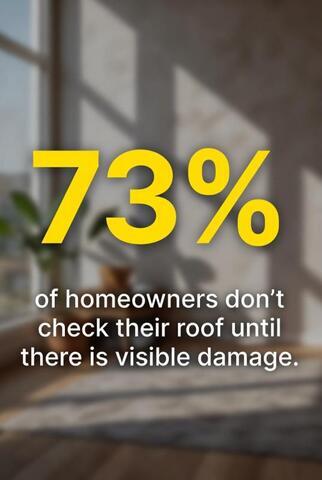
- Address small issues (missing shingles, damaged flashing) before they become big leaks.
- When replacing, choose a full system (shingles + underlayment + ventilation + flashing) from a local expert rather than just the visible layer.
Understanding how your roof works empowers you to protect one of your biggest investments. Whether you need a simple repair, full replacement, or guidance on the best material for your home’s specific needs, we’re here to help with honest, transparent advice tailored to Texas Hill Country conditions.
Contact Klaus Roofing Systems of Texas Hill Country for a free, no-pressure roof inspection and detailed evaluation. Locally owned. Neighbor-focused. Built for the Hill Country.
Posted: June 2026 | Serving New Braunfels, Canyon Lake, Boerne, Gruene & surrounding communities