Roof Inspection Checklist: Seasonal Maintenance Guide for Texas Hill Country (New Braunfels, Canyon Lake & Boerne)
Regular roof inspections are one of the smartest things you can do as a homeowner in the Texas Hill Country. Our intense hailstorms, high winds, blistering summer heat, and occasional heavy rains put constant stress on roofs. Catching small issues early prevents leaks, extends your roof’s lifespan, and saves you from expensive emergency repairs.
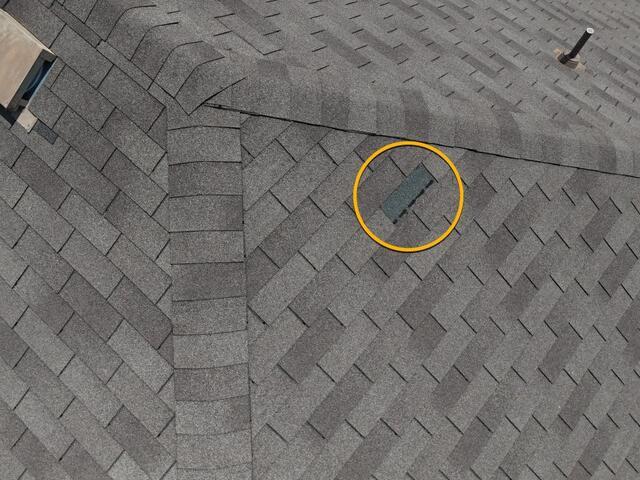
This seasonal roof inspection checklist is tailored specifically for homes in New Braunfels, Canyon Lake, Garden Ridge, Boerne, and surrounding areas. Follow it to stay ahead of common Texas weather damage.
Why Roof Inspections Matter in Texas Hill Country
Texas Hill Country roofs face unique challenges: frequent hail, strong winds, extreme UV exposure, and rapid temperature swings. Without routine checks, minor damage from a single storm can turn into major problems like water intrusion or structural issues.
Key Benefits of a Seasonal Checklist:
- Early detection of hail, wind, or heat-related damage
- Lower long-term repair costs
- Extended roof life and better protection for your family
- Peace of mind before and after storm season
Spring Roof Inspection Checklist (March–May)
Spring brings heavy rain, hail risk, and the start of thunderstorm season. This is one of the most critical times to inspect after winter.
Key Areas to Check:
- Missing, cracked, or curled shingles — Look for hail bruising or wind damage
- Flashing and seals around chimneys, vents, skylights, and valleys
- Granule loss on asphalt shingles (bare spots indicate aging)
- Gutter and downspout clogs from winter debris
- Sagging rooflines or soft spots in the decking
- Interior signs of leaks — Water stains on ceilings or walls after rains
Pro Tip: Use binoculars for a safe ground-level view of hard-to-reach areas.
Summer Roof Inspection Checklist (June–August)
Summer heat is brutal on roofs in the Hill Country. High temperatures can accelerate shingle deterioration, and storms are frequent.
Focus On:
- Shingle curling, blistering, or cracking from intense UV and heat
- Attic ventilation — Ensure soffit and ridge vents are clear for proper airflow (critical in our hot climate)
- Sealant condition around all penetrations
- Tree limb overhang that could cause damage in the next wind storm
- Hail and wind damage after any significant storm
Safety Note: Avoid climbing on the roof during the hottest part of the day.
Fall Roof Inspection Checklist (September–November)
Fall is ideal for preparing your roof for winter and the next hail season. Cooler weather makes inspections safer and more comfortable.
Key Checks:
- Clean gutters and downspouts to ensure proper drainage
- Loose or damaged flashing and trim
- Overall shingle condition and secure attachments
- Deck ventilation and attic insulation performance
- Remove debris like leaves, branches, and limbs
This is also a great time to schedule professional maintenance before year-end.
Winter Roof Inspection Checklist (December–February)
Winter inspections should be done safely from the ground or interior when possible, as ice and cold can make roof access hazardous.
What to Monitor:
- Ice buildup or unusual snow/ice patterns (though less common than in Minnesota, we still see occasional freezes)
- Interior leaks or stains after rain or rare winter storms
- Vent and chimney condition visible from outside
- Any new granule loss or shingle displacement after wind events
Exterior & Ground-Level Inspection Tips (Year-Round)
You don’t always need to get on the roof:
- Walk around the house and look up for sagging, uneven areas, or dark streaks
- Check for debris accumulation in valleys and around chimneys
- Inspect fascia, soffits, and gutters for damage or separation
- Look for pest activity (birds, squirrels, bees) that can create entry points
When to Call a Professional Roof Inspection
Homeowners can handle basic visual checks, but a professional inspection is recommended:
- After any major hail or wind storm
- Annually (especially for homes 10+ years old)
- Before buying or selling a home
- If you notice interior leaks, higher energy bills, or visible exterior damage
Professional roofers use tools like drones, moisture meters, and thermal cameras (we use HIKMICRO thermal imaging at Klaus Roofing) to find hidden issues.
Protect Your Hill Country Home Year-Round
Following this roof inspection checklist helps you stay proactive against our local weather challenges and maintain your roof’s performance and warranty eligibility.
At Klaus Roofing Systems of Texas Hill Country, we provide thorough, no-pressure professional roof inspections using the latest tools. As a locally owned company, we understand exactly what our New Braunfels, Canyon Lake, Boerne, and Hill Country homes need to withstand the elements.
Ready for a detailed roof inspection? Contact us today to schedule a free or low-cost professional evaluation. We’ll walk your property, document any findings clearly, and give honest recommendations tailored to your home and budget.
Visit krsoftxhillcountry.com or call us to book your inspection.
Written by Mario Fender, co-owner of Klaus Roofing Systems of Texas Hill Country. Proudly serving our local community with honest, expert roofing care.