Best Time of Year to Replace a Roof in Texas Hill Country (New Braunfels, Canyon Lake & Boerne) - 2026 Guide
Roof replacements in the Texas Hill Country come with unique timing considerations. Our intense summer heat, frequent spring hailstorms, and occasional winter freezes all affect how well new shingles seal, how comfortable crews can work, and how quickly you can get on a reputable contractor’s schedule.
If you have the flexibility to plan ahead (rather than an emergency insurance claim), choosing the right window can mean better workmanship, fewer delays, and a roof that performs optimally through our challenging weather.
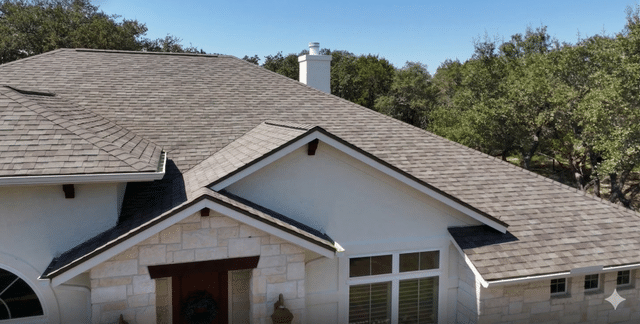
The Short Answer: Late Fall Through Early Spring Is Often Ideal
For planned, non-emergency roof replacements in the Texas Hill Country, the strongest windows are generally:
- Late Fall (October–November)
- Late Winter to Early Spring (February–March)
These periods offer milder temperatures for proper shingle sealing, more predictable dry weather, and often shorter wait times compared to peak storm season.
Month-by-Month Texas Hill Country Roofing Calendar
| Month | Conditions | For Planned Replacements | Notes |
|---|---|---|---|
| January–February | Cooler, occasional freezes | Excellent (if no active leaks) | Comfortable for crews; easier scheduling; materials cure well |
| March | Warming, pre-storm | Very Good | Book early before hail season ramps up |
| April–May | Spring storms, hail risk | Good but busy | Peak insurance demand; longer waits |
| June–August | Hot & humid, storm season | Fair – technically possible | High heat can affect shingle handling; crews booked solid after storms |
| September | Cooling down | Very Good | Transition to ideal fall conditions |
| October–November | Mild, drier, cooler | â Ideal | Best shingle sealing + lower demand |
| December | Cooler, possible freezes | Good with experienced crews | Still viable for planned work |
Why Fall & Late Winter Stand Out in Texas Hill Country
Optimal Shingle Sealing Asphalt shingles rely on a heat-activated sealant strip. Mild temperatures (ideally 60–85°F) allow the best thermal sealing for maximum wind and water resistance — critical for surviving our gusty storms and hail. Fall and early spring give the new roof time to fully bond before extreme heat or the next hail season.
Lower Demand & Better Scheduling Spring and early summer see a rush of insurance-driven work after hail events. Fall and winter tend to be quieter, meaning faster scheduling, less crew pressure, and often more attention to detail on your project.
Worker Comfort & Quality Texas summer heat (often 95–105°F+) makes long days on a roof grueling and can increase the chance of installation issues. Cooler months are safer and more productive for professional crews.
When Timing Doesn’t Matter: Storm Damage & Insurance Claims
Many Texas Hill Country roof replacements are driven by hail, wind, or leaks rather than perfect timing. In those cases, act quickly — document damage promptly and work with your insurance company. Delaying can complicate claims or leave your home vulnerable to further damage.
Experienced local contractors like Klaus Roofing handle quality installations year-round when needed, using proper techniques for hot or cooler weather.
Practical Scheduling Tips for Hill Country Homeowners
- For Fall installation — Book in August or September for October–November slots.
- For Early Spring — Book in January/February to beat the hail season rush.
- During Summer — Expect longer waits after storms. Plan 6–8+ weeks ahead if possible.
- Urgent needs — Call immediately. Reputable teams prioritize active leaks and safety issues.
Pro Tip: Get multiple detailed bids from licensed local contractors. Compare scope, materials, warranties, and timeline — not just price.
Frequently Asked Questions
Is summer a bad time to replace a roof in Texas? Not technically “bad” for the work itself, but challenging due to extreme heat, higher demand after storms, and potential scheduling delays. Many homeowners still proceed successfully in summer when needed.
Should I wait until fall even if my roof is leaking? No — address active leaks or major damage right away. A trusted local roofer can often provide temporary protection while scheduling the full replacement at the best available time.
How far in advance should I book? Plan 4–8 weeks ahead for ideal seasons. During peak hail periods (March–June), it can stretch longer. The sooner you start the conversation, the more options you’ll have.
Does roof color or material affect timing? Slightly. Darker shingles absorb more heat and may need extra care in summer. Experienced crews account for this. Premium materials (like certain metal roofs or high-wind rated shingles) often perform well regardless of season when installed properly.
Protect Your Home with Local Expertise
At Klaus Roofing Systems of Texas Hill Country, we help neighbors in New Braunfels, Canyon Lake, Boerne, Garden Ridge, and across the area choose the right timing and materials for lasting protection. As a locally owned company, we understand our unique climate and provide transparent recommendations without pressure.
Ready for a no-pressure roof evaluation? Contact us today for a free inspection and detailed estimate. We’ll assess your roof’s condition, discuss the best timeline for your situation, and provide clear options tailored to Texas Hill Country conditions.
Call or visit krsoftxhillcountry.com to schedule.
Written by Mario Fender, co-owner of Klaus Roofing Systems of Texas Hill Country. Proudly serving our local community with honest, high-quality roofing.