Wind Damage on Your Roof in Texas - What Actually Happens With Insurance Claims
High winds from Texas thunderstorms are common in the Hill Country — especially during spring and summer. Gusts of 50–70+ mph can lift shingles, tear edges, or drive debris into your roof in just minutes. The next morning you might notice missing pieces, raised tabs, or creased shingles on homes throughout New Braunfels, Canyon Lake, Garden Ridge, or Boerne.
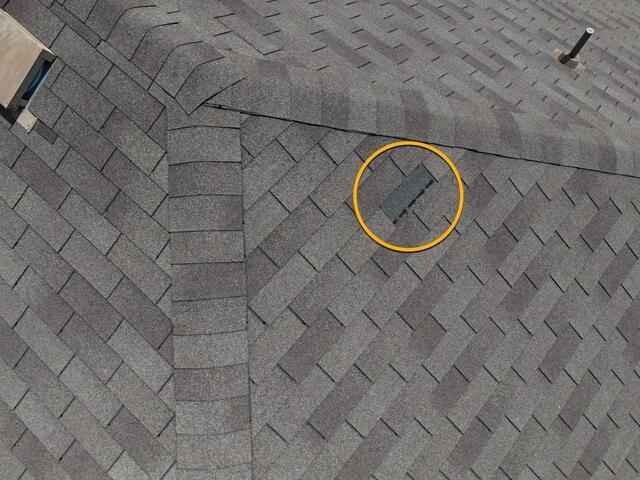
The big questions most homeowners ask are:
- Is this actually covered?
- Should I file a claim?
- What will the insurance company actually do?
After hundreds of wind and storm inspections across Comal County and the surrounding Hill Country, here’s what I’ve learned about how these claims really work — and how to protect your position.
What Wind Damage Actually Looks Like on a Roof
It’s not always obvious from the ground. Here’s what we commonly document after local wind events:
| Sign of Wind Damage | What It Looks Like | Often Confused With | Typical Cause in Hill Country |
|---|---|---|---|
| Missing shingles | Exposed nail heads or underlayment | Old age / granule loss | Direct uplift from gusts |
| Lifted or curled tabs | Shingles raised; seal strip failed | Normal thermal expansion | Wind getting underneath |
| Creased or folded shingles | Visible crease line across the shingle | Manufacturing defect | Flexing during high gusts |
| Torn or punctured shingles | Holes or rips, often with debris nearby | Hail damage | Wind-driven branches or objects |
| Damaged flashing or ridge cap | Bent, loose, or missing metal pieces | Age-related deterioration | High winds + uplift |
Important reality check: Not every lifted shingle or small tear means your entire roof needs replacement. Insurance companies look for covered damage caused by a specific wind event, not normal wear and tear or age-related issues. Good documentation and a thorough inspection make the difference.
What to Do in the First 24–48 Hours
Speed and documentation matter more than most people realize.
- Document everything immediately — Take wide photos of every slope and close-ups of every damaged area. Record a short video walkthrough and say the date and address out loud. Do not tarp or make repairs yet unless you have an active leak — the original condition is your strongest evidence.
- Get the official storm report — Pull data from weather.gov or NOAA for your exact address and date. This proves a covered wind event occurred.
- Get a local professional inspection — Call a reputable, locally owned roofer for a free, detailed walk-through (we do this regularly). We’ll document everything with photos and provide a written report you can share with your insurer.
- File the claim promptly — Most Texas policies require notice within 30–60 days. The sooner you start the process with solid documentation, the better.
How the Insurance Adjuster Process Works
The adjuster works for the insurance company. Their job is to assess damage and create an estimate based on policy coverage.
Smart steps during the inspection:
- Have your local roofer present if possible (we’ll attend at no charge once we’re already involved).
- Take your own photos and notes of everything discussed.
- Don’t agree to or sign anything on the spot — the first offer is rarely final.
If the initial estimate seems low (this happens frequently), your contractor can submit a supplement with additional photos, current material/labor pricing, and a more detailed scope. Many carriers will revise the estimate when presented with strong documentation.
Deductibles, Wind/Hail, and Important Texas Rules
Many Texas policies include a separate wind and hail deductible — often 1% or 2% of your home’s insured value. On a $400,000 home, that could mean $4,000–$8,000 out of pocket before coverage kicks in.
Critical legal note: It is illegal in Texas for a roofing contractor to waive, pay, or rebate your deductible. We will never do this. Doing so can jeopardize your claim and create serious problems for everyone involved.
Wind and hail damage often occur together in our area. A single storm can produce both, so accurate documentation of each type of damage is important.
Common Questions Homeowners Ask
Will filing one claim raise my premiums? A single, well-documented storm claim usually has minimal or no long-term impact. Multiple claims over a short period can affect future renewals.
Should I use the insurance company’s “preferred” contractor? We recommend using your own independent local roofer who knows the Hill Country and works directly for you. Preferred networks often operate under tighter pricing guidelines.
What if the damage is only on one slope? Insurance typically covers only the damaged areas. However, matching concerns (color and appearance) sometimes come into play on visible slopes. A good local roofer can help navigate this.
How do metal roofs perform in wind events compared to shingles? Premium metal roofing systems generally handle high winds very well due to their secure fastening and lack of tabs that can lift. Many of our customers choose metal specifically for better long-term storm resistance in the Hill Country.
Prevention Tips That Actually Help
- Ensure your attic has balanced intake and exhaust ventilation (overheating weakens shingles over time).
- Use quality synthetic underlayment and proper flashing details during installation or repair.
- Keep trees trimmed so branches don’t become projectiles.
- Schedule a professional roof inspection after any significant storm — catching small issues early prevents bigger problems.
The Bottom Line
Wind damage claims in Texas are winnable when you act quickly, document thoroughly, and work with a local roofer who understands how these claims actually play out. Some roofs need only targeted repairs. Others qualify for more extensive work. The key is getting an honest, detailed assessment rather than guessing or hoping for the best.
Don’t wait and hope it doesn’t leak. The sooner you get proper documentation, the stronger your position with the insurance company.
If you’ve noticed missing shingles, lifted areas, creased tabs, or other signs of wind damage after recent storms, I’d be happy to come take a look.
I’ll do a free, no-pressure Roof Health Check, walk the roof with you, show you exactly what I see, and give you straightforward options — no games, no pressure. We handle insurance documentation every week and know what it takes to get claims processed fairly in this area.
You can reach me directly at 1-830-214-0441 or schedule online at krsoftxhillcountry.com.
We proudly serve New Braunfels, Canyon Lake, and communities throughout the Texas Hill Country.