HOA Roofing Project Management in New Braunfels & Texas Hill Country
HOA roofing projects are among the most complex residential roofing jobs. Unlike single-family homes, these projects involve multiple buildings, shared architectural details, strict material consistency requirements, and the need for approvals from boards, property managers, and individual homeowners.
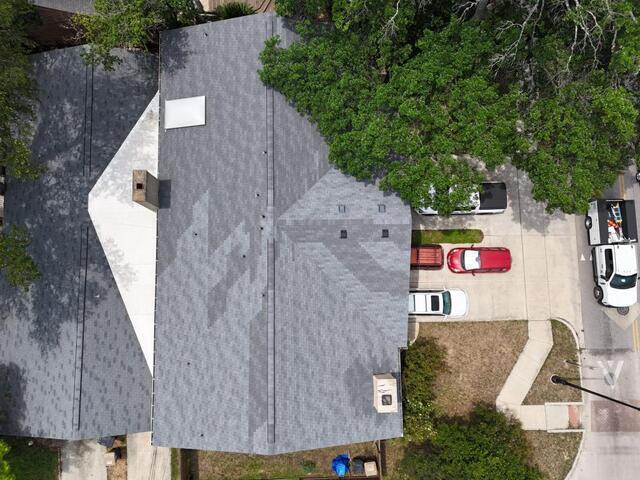
Success depends heavily on strong project management from both the HOA and the roofing contractor. Most problems that arise during HOA roofing projects are not caused by poor installation quality, but by breakdowns in communication, scheduling, and coordination.
This guide is written for HOA board members, property managers, and homeowners in New Braunfels, Garden Ridge, Canyon Lake, and surrounding Texas Hill Country communities who are planning or evaluating a multi-unit roofing project.
Why HOA Roofing Projects Are Different
HOA roofing projects differ from single-family replacements in several important ways:
- Multiple decision makers: Projects require coordination between the HOA board, property manager, architectural review committee, and individual homeowners.
- Material consistency: All units must use matching shingles or roofing materials (same brand, color, and batch) to avoid visible differences across the community.
- Scheduling complexity: Weather delays or crew changes can create a ripple effect across multiple buildings.
- Communication demands: Homeowners expect regular updates, and the board needs clear reporting to make informed decisions.
- Access and logistics: Parking restrictions, shared spaces, and homeowner coordination add layers of planning that single-family projects do not require.
Project Phases for an HOA Roof Replacement
A well-managed HOA roofing project typically follows these phases:
1. Assessment and Budgeting (3–6 months before work begins) A thorough inspection of all buildings, condition ranking, scope development, and detailed cost estimating. This phase helps the board understand the true condition of the roofs and plan appropriately.
2. Bidding and Contractor Selection (1–2 months) Soliciting proposals from qualified contractors. Boards should evaluate not only price but also the contractor’s experience with HOA projects, communication processes, and project management capabilities.
3. Pre-Construction Planning (4–8 weeks) Material ordering (with surplus for batch matching), permitting, creation of communication templates, homeowner notifications, and mobilization planning.
4. On-Site Execution (8–20 weeks) Work proceeds building by building. A dedicated project manager should provide regular updates to the property manager and board, along with clear homeowner communication.
5. Closeout (2–4 weeks) Final inspections, punch list resolution, warranty documentation, and delivery of all project records to the HOA.
Cost Structure for HOA Roofing Projects
Typical cost breakdowns for HOA roofing projects in the Texas Hill Country include:
- Materials: 35–45%
- Labor: 35–45%
- Project Management & Overhead: 5–10%
- Permits, dumpsters, and equipment: 3–7%
- Contingency (deck repairs, flashing, etc.): 5–10%
Total project costs often range from $8,000–$20,000+ per unit depending on the roofing system chosen (asphalt shingles or metal), building size, and complexity. Metal roofing is increasingly popular in Hill Country HOAs due to its durability, hail resistance, and long lifespan.
Communication Protocol That Prevents HOA Project Problems
Clear and consistent communication is the most important factor in a successful HOA roofing project. Effective protocols usually include:
- Weekly progress reports to the board and property manager (with photos and updates on completed and upcoming units)
- Building-specific notices sent to homeowners 5–7 days before work begins on their building
- A single point of contact on both the contractor and HOA side to avoid conflicting instructions
- Daily safety and cleanup walks by the crew foreman
- Prompt escalation and resolution of any homeowner concerns
Common HOA Roofing Project Failures
Most problems in HOA roofing projects stem from poor planning or communication rather than workmanship. Common issues include:
- Inconsistent material colors due to ordering additional shingles mid-project
- Schedule delays without proactive communication to homeowners
- Inconsistent installation quality when different crews rotate through the project
- Disputes over “if needed” items (such as deck repairs) because pricing was not clearly defined upfront
- Confusion caused by multiple people giving instructions to the contractor
What HOA Boards Should Look for in Contractor Bids
When evaluating proposals for an HOA roofing project, boards should prioritize the following:
- Documented experience with similar HOA or multi-building projects in the Texas Hill Country
- A named project manager who will be dedicated to the job
- A clear communication plan (weekly reporting, homeowner notice templates, and escalation process)
- Transparent pricing that includes “if needed” rates for common items like deck repairs
- References from other HOAs regarding communication and schedule reliability
Be cautious of significantly lower bids. These often reflect under-budgeted project management, which can lead to problems during the project.
Material and System Consistency
For the best long-term results and resident satisfaction, all buildings in an HOA project should use the same roofing system. This includes consistent shingle or metal panel brand, color, underlayment, flashing details, and ventilation components. Inconsistent materials are one of the most common sources of complaints after project completion.
Protect Your HOA’s Investment
HOA roofing projects involve significant investment and coordination. Choosing a contractor with strong project management processes, clear communication, and experience working with HOAs can make a major difference in the outcome.
Klaus Roofing Systems of Texas Hill Country has experience managing roofing projects for HOAs and communities in New Braunfels, Garden Ridge, Canyon Lake, and surrounding areas. We focus on structured processes, transparent communication, and delivering consistent results across multi-building projects.
Request a free HOA roofing assessment from Klaus Roofing Systems of Texas Hill Country.
About This Guide
This guide was created to help HOA boards and property managers in New Braunfels, Garden Ridge, and the Texas Hill Country better understand what goes into a successful multi-unit roofing project. The information reflects local practices and experience as of 2026.