Fixing a Leaky Roof: What Homeowners Should Know (and When to Call a Professional)
A leaking roof can go from minor to serious fast.
You might notice:
- A stain on the ceiling
- A drip during a storm
- A musty smell in the attic
No matter how it starts, one thing is true:
The longer you wait, the worse it gets.
The good news—most leaks are fixable. The key is knowing when it’s a simple repair and when it’s something bigger.
When You Need to Fix a Roof Leak
Most homeowners don’t plan for a roof leak—it shows up unexpectedly.
Common warning signs:
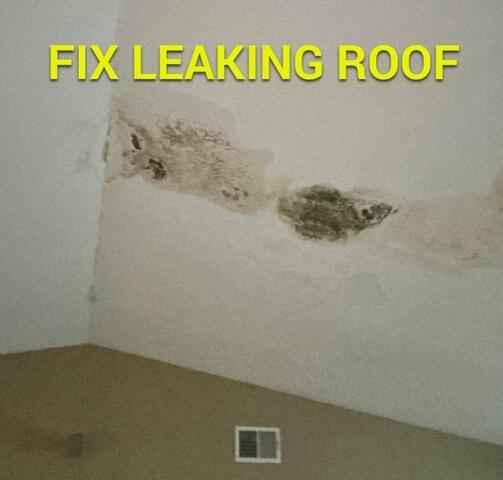
- Ceiling stains or bubbling paint
- Water dripping during rain
- Dark or damp attic insulation
- Musty odors
Important:
Water rarely shows up where the problem actually is. It travels.
That’s why a proper inspection matters.
Why Roof Leaks Happen
To fix a leak correctly, you need to understand the cause—not just the symptom.
Common causes in Texas:
- Wind-damaged or missing shingles
- Failed flashing around vents, chimneys, or pipe boots
- Nail pops or improper installation
- Aging materials
- Storm damage (hail, wind, heavy rain)
Most leaks are not random—they come from specific weak points in the roofing system.
Roof Leak Repair: When a Simple Fix Makes Sense
Not every leak means you need a new roof.
A repair is usually the right move when:
- The roof is still in good overall condition
- The issue is isolated to one area
- Materials still have life left
Typical repairs:
- Replacing a small section of shingles
- Resealing flashing
- Fixing penetrations (vents, pipes, etc.)
An honest contractor will recommend repair when it makes sense.
When a Leak Means Bigger Problems
Sometimes, a leak is a sign of something more serious.
You may need a full replacement if:
- Leaks are happening in multiple areas
- The roof is near the end of its lifespan
- There is underlying wood or structural damage
- Repairs keep recurring
In these cases, patching it repeatedly costs more long-term.
Emergency Roof Tarping: When You Need Immediate Protection
If your roof is actively leaking during a storm, the first step is stopping the damage.
A professional tarp can:
- Prevent further water intrusion
- Protect drywall, insulation, and flooring
- Buy time until permanent repairs are safe
This is often the smartest move when conditions aren’t safe for immediate repair.
Different Roof Types, Different Leak Solutions
Every roofing system fails differently.
- Asphalt shingles: Most common; often repairable
- Metal roofs: Leaks usually at seams or fasteners
- Flat roofs: Often drainage or membrane issues
- Tile or specialty systems: Require precise repairs
The fix depends on the system—not just the symptom.
Why Acting Fast Matters
Roof leaks don’t stay small.
What starts as a minor issue can lead to:
- Mold growth
- Insulation damage
- Rotting decking
- Interior damage
Early action = lower cost + fewer problems
What This Means for Your Roof
At Klaus Roofing Systems, we focus on:
- Accurate diagnosis (not guessing)
- Honest recommendations (repair vs replace)
- Proper system installation (where most roofs fail)
- Protecting your property during the process
Because fixing a leak isn’t just about stopping water—
it’s about solving the problem the right way.
Need Help with a Roof Leak?
If you’re dealing with a leak, the next step is simple:
Get a professional inspection.
We serve New Braunfels and surrounding Hill Country communities and can help you determine whether it’s:
- A quick repair
- A larger issue
- Or something in between
Call or message us to schedule an inspection.