Choosing the Right Roofing Material (What Actually Matters for Your Home)
Choosing a roofing material affects more than just how your home looks—it impacts how well it holds up to weather, how long it lasts, and what you’ll spend over time on repairs or replacement.
Most homes use asphalt shingles, but there are several other options, including metal, synthetic materials, and tile. Each has tradeoffs depending on your climate, budget, and how long you plan to stay in your home.
In areas like Central Texas, factors like heat, UV exposure, and hail play a major role in how different materials perform over time.
What are asphalt shingles made of?
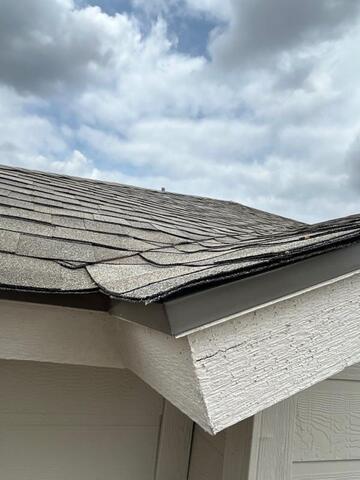
Asphalt shingles are made of a fiberglass mat coated in asphalt and covered with ceramic granules.
The asphalt provides waterproofing, while the granules protect against UV damage and give the shingle its color. Over time, as those granules wear away, the shingle becomes more vulnerable to the elements.
They’re the most common roofing material because they’re cost-effective, widely available, and relatively easy to install.
Should you choose 3-tab or architectural shingles?
3-tab shingles are the lower-cost option and are typically used when budget is the main concern.
Architectural shingles are thicker, more durable, and hold up better against wind and hail. They also tend to last longer and maintain their appearance better over time.
For most homeowners planning to stay in their home long-term, architectural shingles are the more practical choice.
What roofing material lasts the longest?
Different materials have very different lifespans:
- Asphalt shingles: ~15–30 years
- Metal roofing: ~40–70 years
- Synthetic materials: ~30–50 years
- Tile or slate: 50+ years
However, lifespan alone doesn’t tell the full story. Cost, maintenance, and installation quality all play a role in how long a roof actually performs.
What matters most in hot and hail-prone climates?
In regions like Central Texas, roofs are exposed to:
- High heat and UV radiation
- Hail and severe storms
- Rapid temperature swings
These conditions can accelerate wear, especially on lower-quality materials.
Because of this, durability, impact resistance, and proper installation tend to matter more than appearance alone.
How does metal roofing compare to asphalt shingles?
Metal roofing costs more upfront but generally lasts longer and requires less maintenance.
It performs well in severe weather and reflects more heat than asphalt, which can help with energy efficiency.
Asphalt shingles are more affordable and easier to repair, making them the most common choice for residential homes.
The decision usually comes down to how long you plan to stay in the home and how much you want to invest upfront.
Are metal roofs worth the higher cost?
Metal roofs can make sense if you’re planning to stay in your home long-term or want a more durable option in areas with frequent storms.
The higher upfront cost is offset by longer lifespan and lower maintenance, but installation quality is critical. Poor installation can lead to issues regardless of the material used.
What is synthetic roofing?
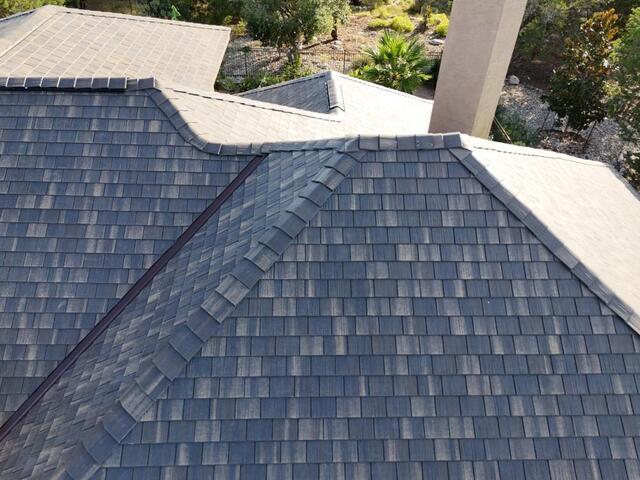
Synthetic roofing materials are designed to mimic natural materials like slate or wood shake.
They’re lighter, often more impact-resistant, and more consistent in quality than natural products.
They typically cost more than standard asphalt shingles but less than natural slate or tile, making them a middle-ground option.
What materials are most common?
Asphalt shingles are used on the majority of homes in the U.S.
Metal roofing is growing in popularity, especially in areas with severe weather. Tile is more common in certain regions but less widespread overall.
How do you choose the right roofing material?
The right choice depends on a few key factors:
- Climate and weather exposure
- Budget (both upfront and long-term)
- How long you plan to stay in the home
- Maintenance expectations
- Local building codes or HOA restrictions
For many homeowners, the best option is the one that balances durability, cost, and practicality for their specific situation.
Bottom line
There’s no single “best” roofing material for every home.
Each option has tradeoffs, and the right choice depends on your goals, your budget, and the conditions your roof will face over time.
Understanding those differences helps you make a more informed decision and avoid costly surprises down the road.