How Your Roof Actually Works: The Complete Guide For Homeowner's
Your roof is one of the most important systems protecting your home, but most homeowners don’t fully understand how it actually works. It’s not just shingles nailed to wood—it’s a multi-layer system designed to shed water, manage moisture, handle weather, and protect the structure underneath.
After inspecting roofs across the New Braunfels and Texas Hill Country area, the biggest issues we see usually aren’t obvious from the ground. Understanding how your roof works helps you make better decisions when it comes to maintenance, repairs, and replacement.
What is a roof made of?
A roof is built in layers, and each layer has a specific job.
Starting from the bottom, you have the roof deck (typically plywood or OSB), followed by underlayment (a water-resistant barrier), ventilation and insulation, flashing (metal at joints and penetrations), and finally the roofing material—usually asphalt shingles, metal panels, or tile.
Most homeowners focus on the shingles because that’s what you see, but the layers underneath are what actually provide most of the protection.
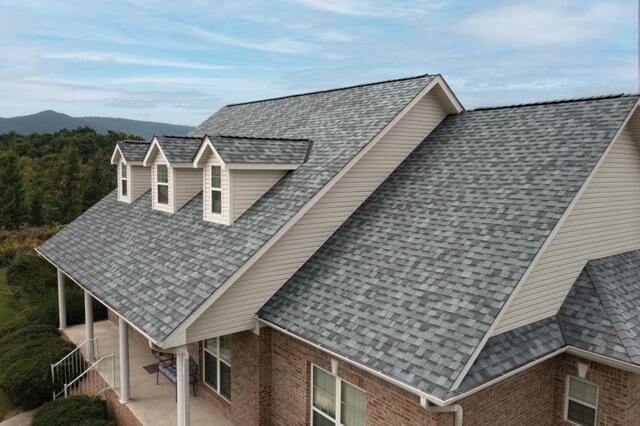
How does a roof protect your home?
A roof’s main job is to move water off your home as quickly as possible.
Water runs down the slope of the roof into gutters and downspouts. If water gets past the outer layer, the underlayment acts as a secondary barrier to keep it from reaching the decking.
At the same time, the structure supports weight from wind, rain, and debris, while ventilation helps prevent heat and moisture buildup inside the attic.
When problems show up—like leaks—they’re often tied to a failure in one of these systems, not just the surface material.
What are the main parts of a roof?
Most residential roofs include:
- Rafters or trusses (structural support)
- Roof deck (the base layer)
- Underlayment (secondary water protection)
- Roofing material (shingles, metal, or tile)
- Flashing (seals joints and penetrations)
- Ventilation (ridge and soffit vents)
- Gutters and downspouts (water management)
Each component plays a role, and they all depend on each other to function properly.
What does underlayment do?
Underlayment is installed directly on top of the roof deck and underneath the shingles.
Its job is to provide a backup layer of protection if water gets past the outer roofing material. Depending on the type used—felt, synthetic, or self-adhering—it can either shed water or resist it long enough to prevent damage.
Because it’s hidden, it’s often overlooked, but it has a significant impact on how well a roof performs over time.
What is roof decking?
The roof deck is the structural base of the roofing system.
It’s usually made of plywood or OSB and is attached to the rafters or trusses. It supports everything above it, including the roofing material, underlayment, and any loads from weather.
If the decking is exposed to moisture over time, it can deteriorate and lose strength. In those cases, it needs to be replaced before new materials are installed.
Why is flashing a common source of leaks?
Flashing is installed anywhere the roof has a seam, joint, or penetration—around chimneys, vents, skylights, and where the roof meets a wall.
These areas naturally collect and redirect water, which makes them more vulnerable.
In many inspections, leaks can be traced back to flashing issues such as gaps, corrosion, or improper installation. Even small openings can allow water to enter over time.
Are architectural shingles worth it?
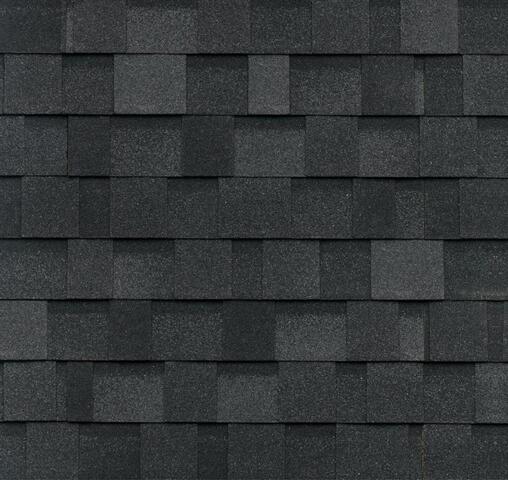
Architectural shingles are a thicker, more durable version of traditional 3-tab shingles.
They’re designed to last longer, hold up better against wind and hail, and provide a more dimensional appearance.
While they cost more upfront, they’ve become the standard choice for most residential roofs because of their durability and overall performance.
How everything works together
A roof works as a system, not as a single product.
The deck provides the structure.
The underlayment adds a layer of protection.
The flashing seals vulnerable areas.
The roofing material sheds water.
The ventilation regulates heat and moisture.
The gutters move water away from the home.
When one part isn’t functioning properly, it can affect the entire system.
Bottom line
A roof is more than just shingles—it’s a system of components working together to protect your home.
Understanding how those components function helps you better evaluate repairs, replacements, and the recommendations you receive from contractors.